
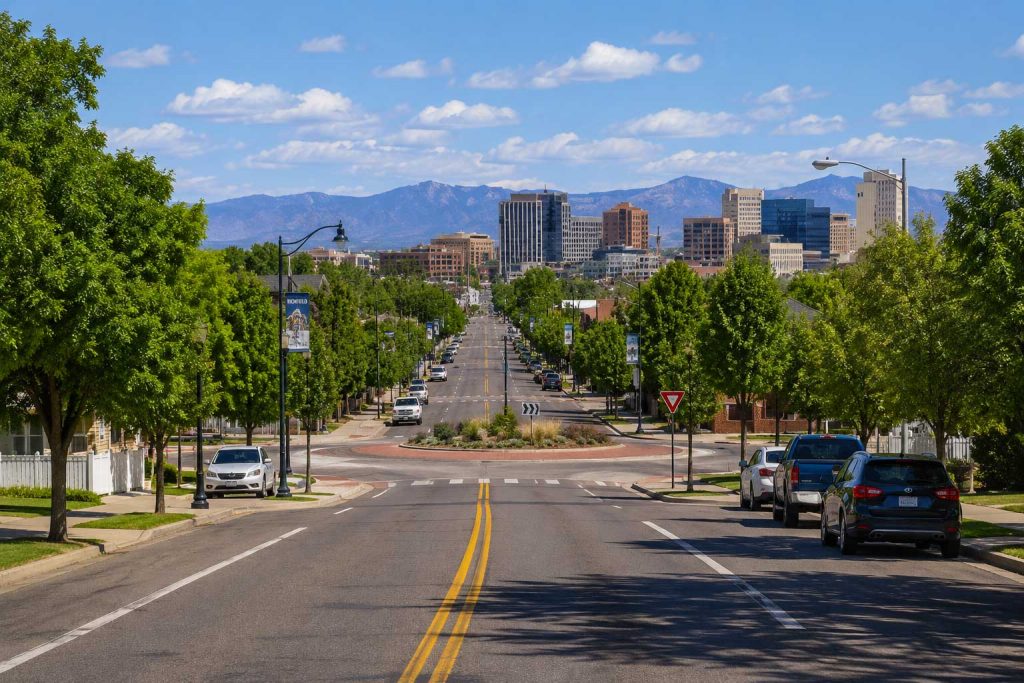
If you’re considering moving to Central Utah, you’re looking at one of the most underrated regions in the American West. Sitting roughly in the geographic heart of the state — about 160 miles south of Salt Lake City and 200 miles north of St. George — Central Utah offers a way of life that’s increasingly rare: affordable, uncrowded, deeply connected to the outdoors, and built on tight-knit small-city and rural communities.
Whether you’re escaping the cost and congestion of the Wasatch Front, relocating from out of state for a slower pace, retiring on a tighter budget, or working remotely and looking for a place where your dollar goes further, this guide walks you through what you really need to know.
Where Is Central Utah?
“Central Utah” generally refers to the cluster of counties that anchor the middle of the state — most commonly Sevier, Wayne, Piute, Garfield, and Sanpete counties. The region is bisected by Interstate 70 and threaded by U.S. Route 89 (the legendary “Heritage Highway”) and Utah Scenic Byway 12 (an All-American Road).
The regional hub is Richfield — the largest city in southern-central Utah and the county seat of Sevier County — which offers full small-city amenities including healthcare, higher education (Snow College), and a regional commercial center.
Cost of Living: The #1 Reason People Move Here
For most people relocating to Central Utah, the cost-of-living gap versus the Wasatch Front, California, Nevada, or Colorado is the deciding factor. Utah’s statewide median home price hovers around the mid-$500s, but Central Utah home prices remain dramatically lower — often less than half that in many communities — making the region one of the most affordable in a state that’s otherwise becoming expensive fast.
Combine that with modest property taxes, lower utilities, and a slower-paced lifestyle that just costs less to live, and the math is hard to ignore. Many transplants tell us the same thing: their housing payment dropped enough to fund a more comfortable lifestyle, more land, or simply less financial pressure.
Choosing the Right Community
Central Utah isn’t one place — it’s a network of communities, each with its own character. Some examples we serve directly:
- Richfield — Regional hub. Full amenities, the most active market, established neighborhoods, and small-city convenience.
- Salina — Second-largest city in Sevier County. Strategic location at the I-70 / U.S. 89 crossroads.
- Monroe — “Little Green Valley” with hot springs and ATV trail access.
- Elsinore — Historic “Little Denmark,” quiet community living.
- Joseph — Smallest town in the area, deeply authentic small-town feel.
- Central Valley — Rising home values, established rural community.
- Annabella — Steadily growing small community south of Richfield.
- Loa — Wayne County seat, gateway to Capitol Reef National Park.
- Boulder — Destination market on Scenic Byway 12 between Grand Staircase-Escalante and Capitol Reef.
Choosing among them comes down to lifestyle priorities: amenities (Richfield, Salina), commute proximity to the regional hub (Annabella, Central Valley, Monroe), authentic small-town living (Joseph, Elsinore), or destination living near national parks (Loa, Boulder).
The Outdoor Lifestyle
This is the other half of why people move to Central Utah. Within a short drive, you’re at:
- Capitol Reef, Bryce Canyon, and Zion national parks
- Fish Lake — one of Utah’s premier high-mountain lakes
- The Paiute ATV Trail System — 2,000+ miles of trails
- Grand Staircase-Escalante National Monument
- Fishlake National Forest and Dixie National Forest
- World-class hunting, fishing, hiking, and photography
For people who want to actually live the lifestyle that most Americans plan vacations around, Central Utah delivers in a way few places do.
Jobs and Working Remotely
Central Utah’s economy is anchored by agriculture, ranching, healthcare, education, government, and a growing travel-and-tourism sector along the I-70 corridor. The Sevier Valley Hospital (Intermountain Health) and Snow College Richfield are major regional employers, and the I-70 / U.S. 89 corridor supports commercial and hospitality businesses.
Remote work has been transformative here. With reliable internet, low housing costs, and an enviable quality of life, Central Utah has become an increasingly popular base for remote professionals who want their compensation to go further.
Schools, Healthcare, and Daily Life
Central Utah is served by several school districts (Sevier, Wayne, Piute, Garfield, North Sanpete, South Sanpete), generally well-regarded for rural Utah. Snow College’s Richfield campus offers higher education close to home, and Sevier Valley Hospital provides regional medical care.
Day-to-day, expect a friendly, family-oriented atmosphere, low crime, strong community involvement, and a slower pace. Some specialized shopping or services may require a trip to the regional hub (Richfield) or even to the Wasatch Front, but the essentials are well covered.
Is Moving to Central Utah Right for You?
Central Utah is a strong fit if you value affordability, room to breathe, immediate access to the outdoors, and tight-knit communities. It’s not the right fit if you need dense urban amenities, public transit, or a thick job market in a single specialty.
For most people we work with, the trade is well worth it — and once they’re settled, the most common refrain is, “We should have done this sooner.”
Ready to Explore Central Utah Real Estate?
Your Property Pros, headquartered in Richfield, serves buyers and sellers across Sevier, Piute, Wayne, Garfield, and Sanpete counties. We help relocating buyers narrow down the right community, find the right property, and make the move with confidence.
👉 Browse current Central Utah listings, explore our Sevier County page, or contact us for a free relocation consultation.